Person-first discovery
Replace checklists with conversations that honor individual priorities. Learn names, movement preferences, hydration needs, and favorite decades of music. A participant like Rosa, eighty-two, may prefer a seated foxtrot and jasmine tea with honey, while Jamal, a power wheelchair user, might request wider dance lanes and softer lighting. Document these insights, share them with volunteers, and revisit them after each event, ensuring continuity. People change, preferences evolve, and responsive planning shows care.
Community listening circles
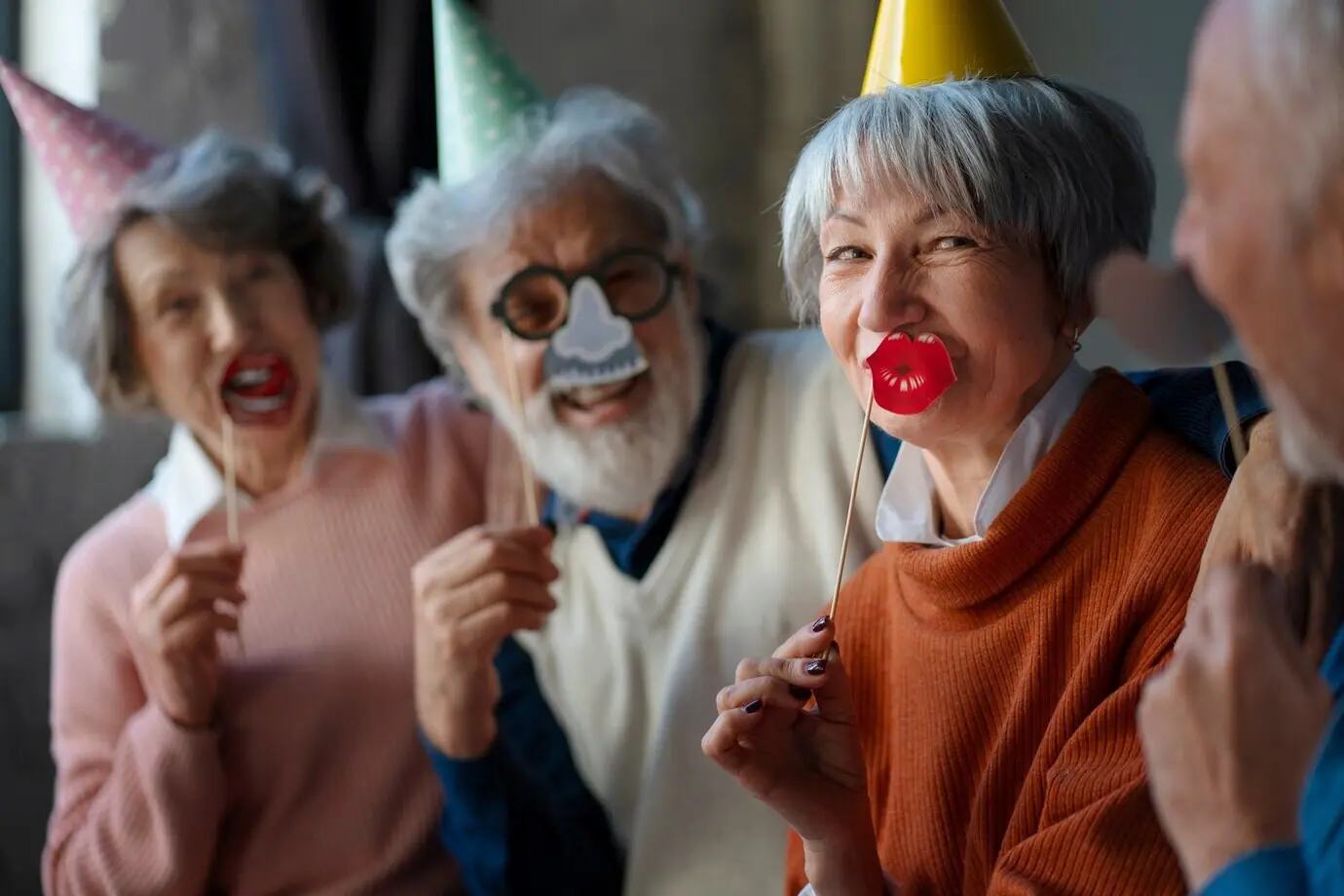
Host short, facilitated gatherings where attendees, family members, and support professionals share memories, challenges, and joyful wishes. Prompt with questions about comfort, energy, and accessibility experiences at other events. Capture specifics: microphone clarity, break frequency, restroom proximity, and signage size. Rotate times to accommodate schedules and transportation realities. Offer tea and light snacks during discussions to mirror event conditions. Listening circles transform assumptions into practical, human insights, shaping everything from coat-check flow to the tempo of opening numbers.
Co-design workshops
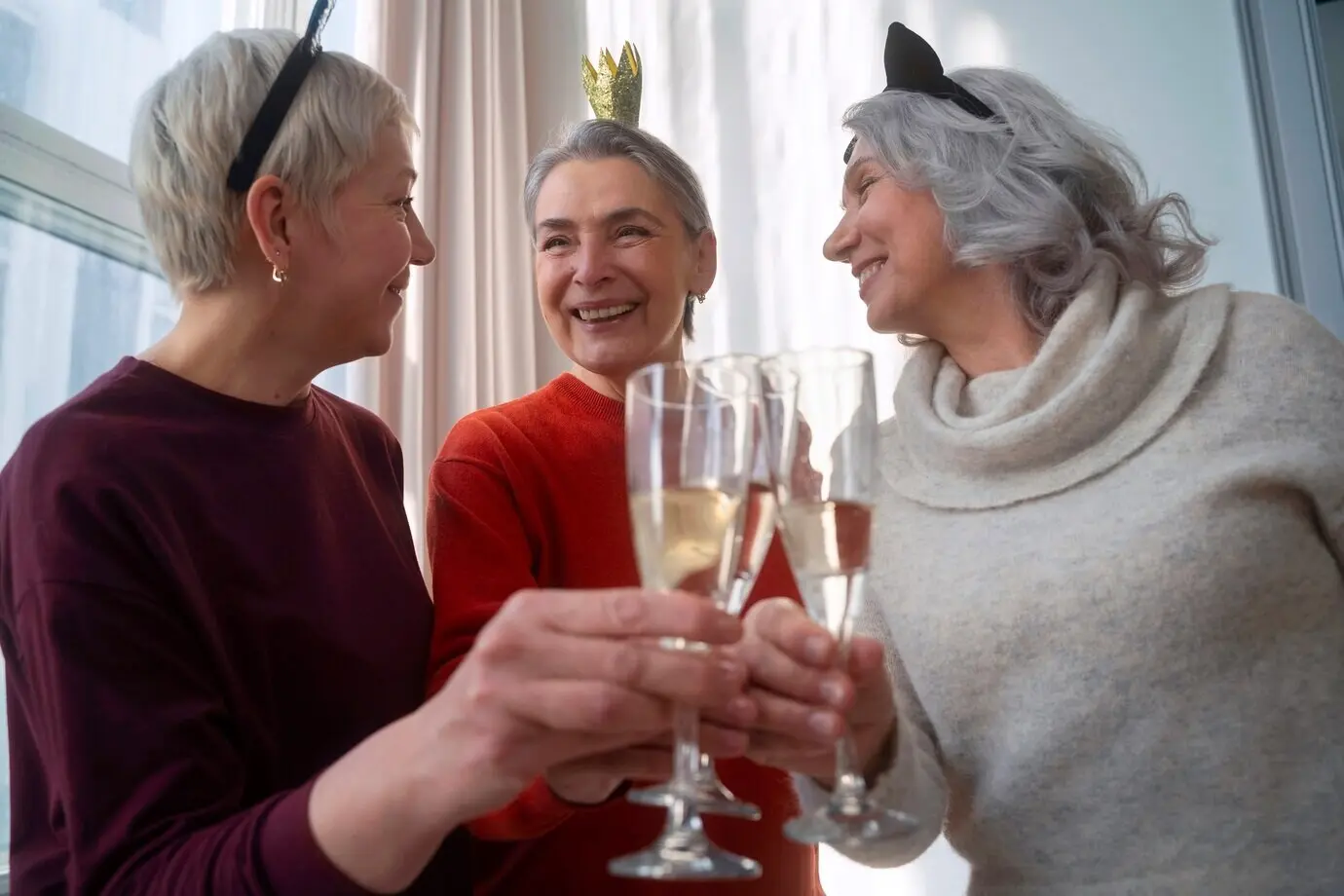
Invite participants to test chair arrangements, dance lane widths, and cue cards in a relaxed rehearsal. Collaboratively label a prototype floor plan, explore varied exit routes, and try different announcement styles. Encourage people to mark sweet spots for hearing, light sensitivity, and conversation. Use brightly colored tape to simulate pathways and ask wheel users to evaluate turns. Treat improvements as shared victories. When attendees see their ideas carried into the final event, trust deepens and excitement grows.