
A Gentle Revival: Tea Dances That Turn Neighbors into Friends

Today we explore using tea dances to combat loneliness and build neighborhood networks, turning gentle music, warm cups, and simple steps into practical bridges between neighbors. Expect hands-on ideas, welcoming etiquette, and stories from community halls where shy greetings became real friendships. Whether you’ve never danced or you once loved a foxtrot, you’ll find approachable ways to host, join, and keep connections alive. Read on, share your own experiences, and imagine your first invitation landing warmly next door.

Why Shared Rhythm Eases Silent Evenings
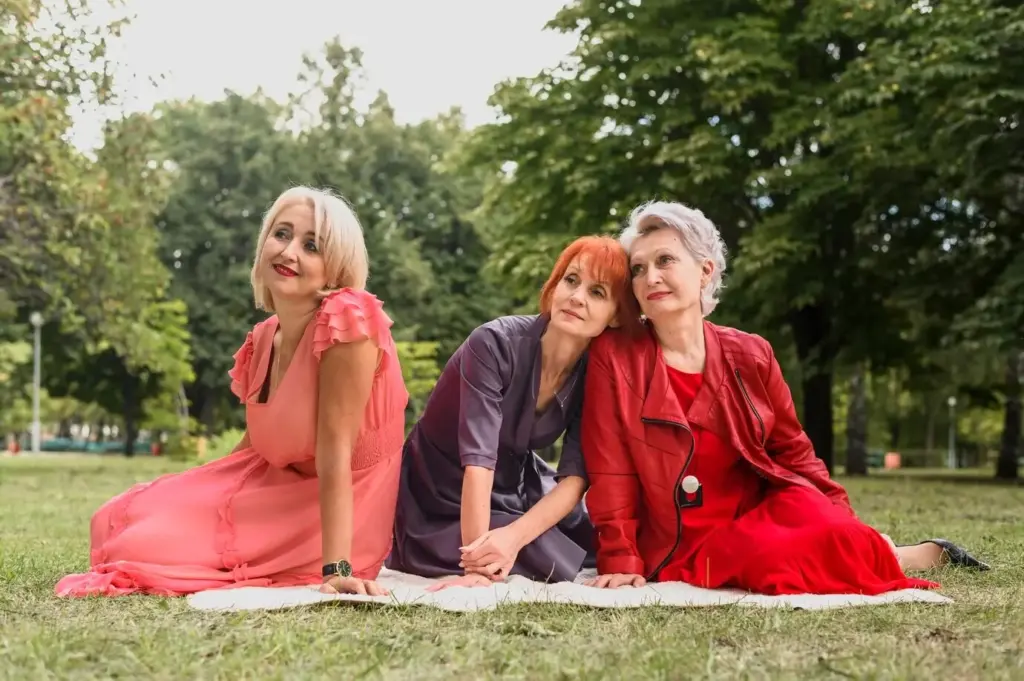
Shared rhythm softens guarded edges, encouraging eye contact, laughter, and easy conversation without pressure. Tea dances offer slow tempos, rotating partners, and clear pauses for sips and chats, making entry gentle for newcomers. Neuroscience suggests synchrony boosts trust; community organizers notice quieter guests leave smiling together. We’ll unpack how structure, music, and room layout transform awkward afternoons into steady friendships that continue on sidewalks, stairwells, and local parks long after the last record stops spinning.

Space, Light, and Accessibility

A hall that feels bright and navigable invites people to settle rather than scan for exits. Prioritize ramps, nearby restrooms, and seating islands for breathers. Avoid slick floors; tape gentle lanes for walking dances. Leave wide paths for mobility aids, strollers, and cautious steps. If the budget allows, add soft lamps at dusk. Nothing reassures like seeing every face clearly and knowing there is a safe chair, a friendly volunteer, and a reachable cup.

Music that Invites, Not Intimidates

Choose tempos that feel like a relaxed heartbeat, not a sprint. Alternate classics with familiar modern tunes arranged for easy sway. Announce dances before they start, and demo one or two basic patterns with humor. Keep volume low enough for conversation to bloom. Provide seated options—finger-tapping, clapping, or gentle upper-body sway—so no one feels excluded. The goal is not precision; it is approachable joy that coaxes hesitant neighbors from nods to shared laughter.

Volunteer Roles that Spark Micro-Connections

Assign greeters who remember names, floaters who notice wallflowers, and tea stewards who invite small talk at the kettle. A rotating “dance buddy” system pairs confident regulars with newcomers for the first two songs. A story table with postcards prompts light prompts like favorite biscuits. These tiny roles produce hundreds of miniature conversations that stack into friendships. When tasks are clear and kind, people stop hovering and start helping one another naturally and repeatedly.

Intergenerational Bridges over a Teacup

Bringing generations together turns polite afternoons into lively neighborhoods. Teen musicians can learn standards from elders; retired dancers can teach gentle steps to kids; caregivers can relax while toddlers bounce safely at the edge. Set expectations around patience and listening, then let curiosity do the rest. Shared cultural memory—wartime waltzes, prom stories, pop favorites—becomes glue. With laughter passing across ages, support networks strengthen, especially for those who often feel unseen between family visits.

Affordable, Sustainable, and Kind

Budgeting with Heart and Transparency

Publish a one‑page budget after each event: room fee, supplies, donations, any surplus. Invite suggestions on saving costs or allocating leftovers to next month’s music. When everyone understands how pennies become moments of joy, suspicion fades. People contribute what they can—time, talent, or tins of biscuits—because they see the equation. Clear money talk becomes another social bridge, proving that trust is stronger than polish and that openness creates lasting ownership.

Sponsorships without Strings

Approach sponsors with a clear invitation: help keep doors open and tickets optional, while leaving programming independent and welcoming. Offer gratitude through a small table card, a post‑event note, or a community newsletter line—never intrusive banners. Choose partners whose values match gentleness, inclusion, and local pride. The right support feels like a neighbor lending sugar, not a billboard taking over the room. That balance preserves the atmosphere that makes these afternoons healing.

Earth-Friendly Hosting

Reduce waste with real cups, cloth napkins, and bulk tea. Set up a cheerful washing station that doubles as a conversation nook. Encourage guests to bring a favorite mug, which becomes an instant icebreaker. Compost tea leaves and flower stems. Choose decorations that can be repurposed seasonally. Small, steady choices model everyday stewardship, reminding everyone that care for place and care for people belong together, and that sustainability can feel friendly, not stern.

From First Step to Ongoing Network

A single afternoon is a spark; networks form when sparks repeat. Before packing away the record player, announce the next date, share a sign‑up sheet with clear consent boxes, and invite ideas for mini‑events. Build small groups—walking clubs, recipe swaps, plant exchanges—that meet between dances. Encourage porch chats and lift‑lobby hellos. In time, favors flow faster, crises feel less lonely, and the neighborhood learns to recognize itself as a dependable, welcoming home.

Contact Trees and Consent

Collect names with explicit permissions for messages, photos, and volunteer invitations. Use simple channels—paper lists photographed, a privacy‑respecting chat group, or a monthly email. Assign a rotating steward to send reminders and celebrate birthdays or milestones shared voluntarily. Consent protects dignity and keeps communication friendly. When boundaries are honored, people lean in rather than pull away, trusting that this network exists to support, not to overwhelm, sell, or pressure anyone.

Micro-Groups for Shared Interests

Spin off tiny circles that grow intimacy: a three‑song practice meet‑up, a Thursday tea‑tasting, a Saturday stroller walk, a playlist club comparing favorite versions. Keep commitments light and welcoming to drop‑ins. Post a community calendar in the lobby or online. Micro‑groups lower the threshold for belonging; they transform acquaintances into teammates who know when someone’s been quiet too long and who reach out gently, naturally, and without fuss.

Monthly Rhythms, Seasonal Flourishes

Rituals make remembering easy. Hold tea dances at predictable times, then layer in seasonal touches—spring waltzes with daffodils, a midsummer picnic foxtrot, cozy winter cocoa with slow ballads. Invite neighbors to suggest motifs and bring decorations or songs. Predictability steadies anxious hearts; variation keeps curiosity alive. Over months, a calendar becomes a backbone for kindness, ensuring that connection is not a rare event but a familiar, reliable part of local life.

Measuring Connection without Killing the Joy

Connection can be felt before it is counted. Still, gentle measurement helps improve hospitality without smothering it. Favor conversations over clipboards, small check‑ins over formal evaluations, and open questions over scores. Track return rates, first‑time welcomes, and volunteered stories. Share findings humbly and invite ideas for next time. When people see their feedback shaping details—music choices, chair layouts—they feel respected, and that respect is the very soil where networks take root.
Fimeneximivaletu
Privacy Overview

This website uses cookies so that we can provide you with the best user experience possible. Cookie information is stored in your browser and performs functions such as recognising you when you return to our website and helping our team to understand which sections of the website you find most interesting and useful.