
Afternoon Rhythms That Bring Neighbors Together
Set the kettle to sing and let the floor whisper with swing and waltz: this guide walks organizers through hosting local tea dance weekends that feel timeless, welcoming, and effortlessly well run. We’ll cover planning, music, hospitality, safety, and community partnerships, so you can build a repeatable blueprint that fills afternoons with laughter, connection, and lilting melodies. If this sparks ideas, share your questions, swap stories, and subscribe for ongoing checklists, playlists, and scheduling templates shaped by real-world successes.


Shaping a Welcoming Weekend Flow
Start by imagining the arc of a gentle celebration where daylight guides energy and conversation warms before the first song. A tea dance weekend flourishes when it balances structure and serendipity: a beginner-friendly lesson, curated sets, unhurried intermissions, and a closing moment that leaves everyone feeling seen. Draft your run-of-show with breathing room for conversations, tea refills, photos, and announcements. Invite feedback early, so regulars and newcomers feel empowered to co-create a tradition that grows sturdier with every shared afternoon.
Finding the Right Room and Floor
Floor First, Always
Comfortable knees and happy ankles are your best marketing. Ask venues about floor construction—sprung wood outshines laminate over concrete. Test with dance shoes before committing. If you bring portable flooring, schedule extra load-in time and confirm even subfloors. Keep talc and rosin off the table; instead, adjust footwear and clean regularly to manage stickiness or slickness. Mark traffic lanes near the tea station to prevent spills on dance surfaces. A responsive plan here reduces injuries and elevates the entire experience.
Light, Sound, and Sightlines
Afternoon light offers golden charm, yet a low winter sun can blind dancers. Use sheers or adjustable blinds to soften glare. Position musicians or the DJ where they can see the floor and receive clear cues. Balance speakers to bathe the room, not blast one corner. Leave pathways visible between tables and the floor. Place signage at the entrance and tea station to reduce bottlenecks. Even small adjustments, like orienting seating to face the action, foster connection and shared delight.
Access, Comfort, and Flow
Map the guest journey from sidewalk to seat: ramps or lifts, clear corridors, and door widths that welcome mobility devices. Provide chairs with varying heights and a few with arms. Offer water stations away from electrical cables. Keep a quiet nook for sensory breaks, and stock spare earplugs. Label dietary options clearly at the tea table. Post an easy-to-read schedule near the entrance. These details quietly communicate respect, turning a nice event into a favorite ritual people look forward to repeating.
Music That Keeps Cups Clinking and Feet Moving
Soundtracks shape mood and memory. Whether hiring a local swing quartet, ballroom ensemble, or a versatile DJ, prioritize clarity, approachable tempos, and gracious phrasing. Plan set lists that invite beginners while satisfying veterans, and reserve a few spotlight moments for musicians or birthday dances. Build in water breaks and comfortable transitions. Keep playlists flexible to adjust to the crowd’s energy. A thoughtful emcee can stitch everything together, celebrating people by name and gently guiding the room through gentle crescendos and serene landings.



Tea, Treats, and Thoughtful Hospitality
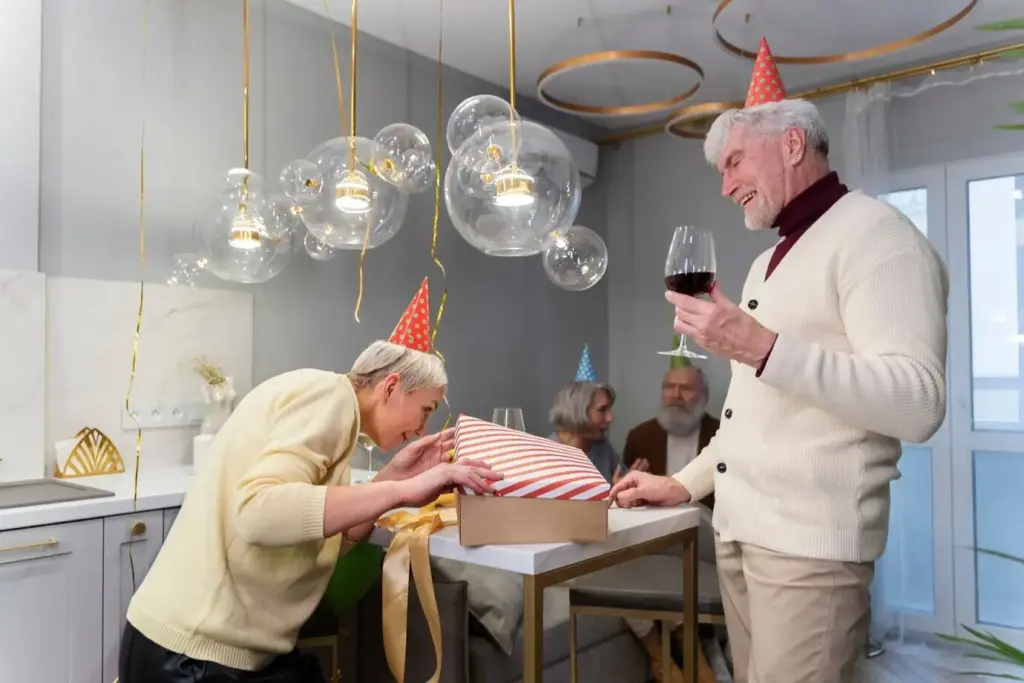
Tea service is more than flavor; it’s a choreography of warmth. Offer black, green, and herbal options, plus decaf, dairy alternatives, and plenty of water. Combine homemade touches with reliable bakery staples, labeling allergens clearly. Arrange stations to reduce lines and maintain floor space, and assign cheerful hosts to circulate with refills. Warm crockery and a few tiered stands elevate charm without fuss. Hospitality builds trust, and trust fills chairs. People return for the dancing, yet stay because the welcome feels genuine.
Money, Risk, and Long-Term Sustainability
Building a Resilient Budget
Start with a spreadsheet that lists every expense and income stream, then assign conservative estimates. Compare scenarios—live band versus DJ, donated pastries versus catered trays—to understand break-even points. Consider family pricing and senior discounts. Track actuals after each event to refine projections. As reserves grow, invest in reusables: signage, teapots, extension cords, and floor care tools. Share a high-level summary with volunteers so the whole team understands constraints. Transparency encourages smart suggestions and transforms helpers into responsible co-stewards.
Ticketing That Feels Fair
Keep purchasing effortless. Offer online sales with QR codes at the door, plus cash options for accessibility. Use early-bird pricing to forecast attendance and sliding scales to widen inclusion. Provide weekend passes with a free tea refill as a charming perk. Allocate complimentary spots for volunteers, musicians’ guests, and community partners. Display a brief pricing philosophy that values both accessibility and sustainability. When people know what their ticket supports, generosity rises, and your weekend finds financial footing without losing its friendly spirit.
Insurance, Policies, and Peace of Mind
Accidents are rare, yet preparation is respect in action. Secure event insurance, confirm venue liability coverage, and draft a code of conduct centered on consent and kindness. Train a floor host to address issues discreetly. Stock bandages, ice packs, and spare masks. Publish a photo policy and a simple incident form. Keep emergency contacts and the address by the entrance in case responders are needed. These calm, visible measures reassure guests and volunteers, making safety feel like part of the hospitality rather than a warning.
Spreading the Word With Heart
Story-Driven Messages
Replace hard sells with scenes: a grandparent teaching a grandchild a waltz box, a shy newcomer leaving with three new friends, a trumpet phrase that makes the whole room breathe together. Share tiny moments from rehearsals, menu testing, or volunteer setup. Emphasize lighthearted etiquette and beginner kindness. Give people a picture of how it will feel at two in the afternoon, not just what it costs. These narratives travel better than posters alone, inviting neighbors to step into the story themselves.
Local Partnerships That Matter
Make a map of potential allies: music schools, senior centers, cafés, bakeries, florists, historical societies, and parks departments. Trade value rather than money—playlist mentions for pastry donations, ticket discounts for newsletter blurbs. Offer a mini pop-up dance at a farmers market to spark interest. Provide a space for community flyers at your entrance. When partners see full rooms and happy faces, they’ll champion you, helping each weekend feel less like a one-off and more like a treasured civic ritual.
Photos, Video, and Consent
Images grow attendance, but comfort comes first. Post a clear sign about photography, offer a no-photos wristband, and brief your media volunteer on respectful angles. Focus on hands pouring tea, joyful feet, and wide shots that protect privacy. Collect a few quotes from attendees for captions, credited with permission. Share albums quickly while memories are fresh, then invite people to tag themselves if they wish. This gentle approach turns documentation into celebration without putting anyone on the spot.
Operations That Feel Effortless
Smooth logistics make room for real connection. Create a run-of-show with minute marks for doors, lesson, sets, intermission, acknowledgments, and farewell. Assign roles—front desk, emcee, floor host, hospitality lead, sound captain, and photo steward—and share a group text for quick coordination. Post a backstage copy of the schedule and a floor copy for guests. Stock spares of everything. Afterward, write a short debrief while details are fresh. Operational grace is invisible to most, yet felt by everyone.
Beginner On-Ramp That Works
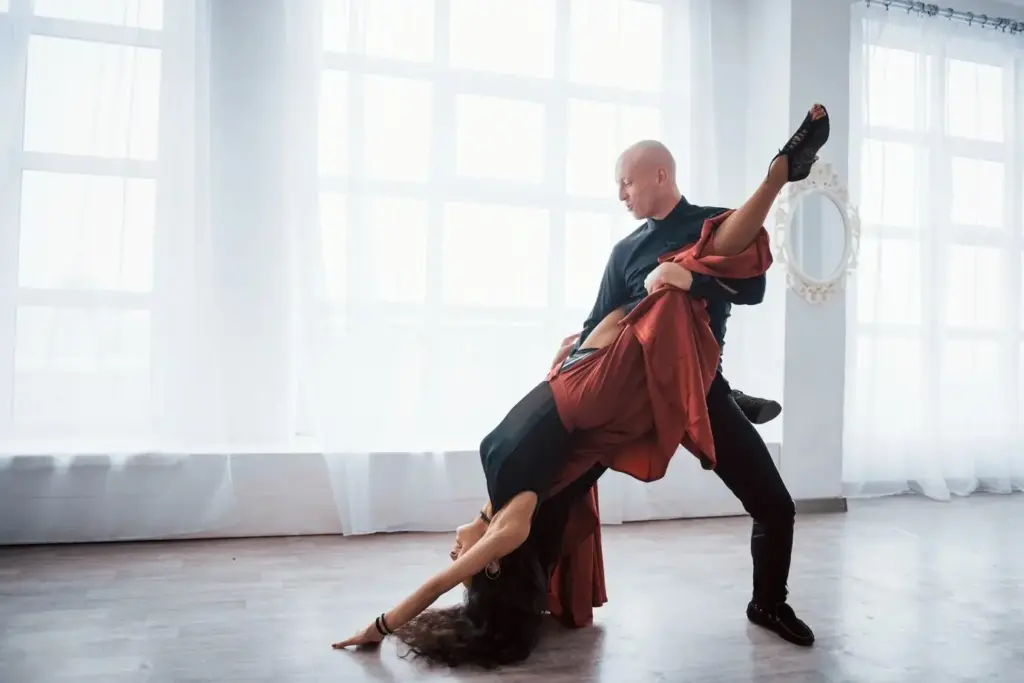
Teach fundamentals that unlock the floor fast: posture, connection, and a single, cheerful pattern. Use role-neutral language and rotate partners with consent. The teacher should model kindness and offer options for people seated or using mobility aids. Close the lesson with a song that immediately flows into social time to avoid awkward pauses. Hand out a tiny one-card recap at the door. When attendees feel capable within minutes, they buy tickets again, invite friends, and carry that confidence into everyday life.
Mixers That Melt Ice
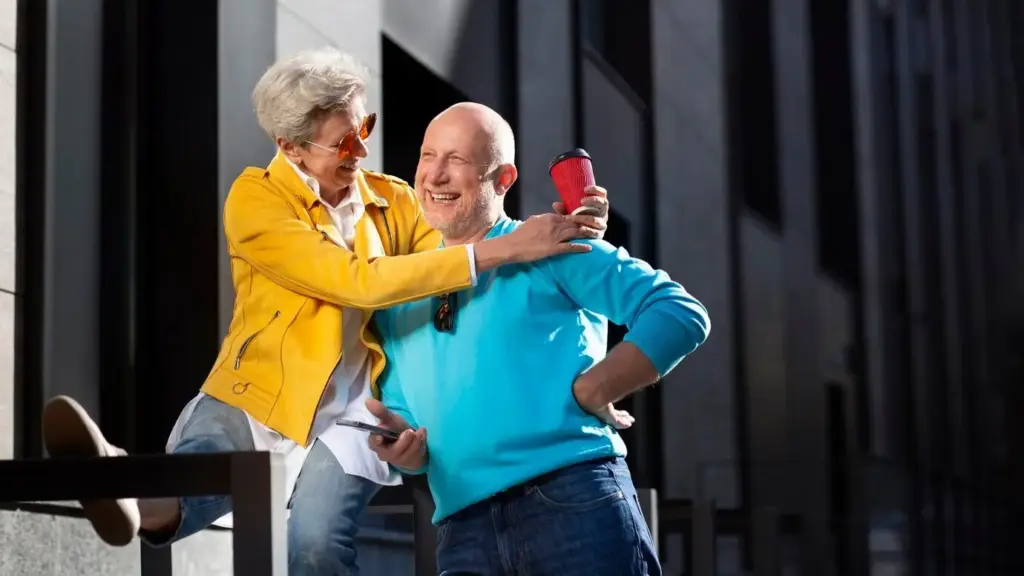
Simple structures create surprising friendships. Try a snowball start where two dancers become four, then eight, expanding until the floor hums. Use line-of-dance promenades that encourage quick hello’s without pressure. Keep durations short and music friendly. Announce that declining is always welcome and that smiles count as participation. Mixers work best when framed as playful, optional bridges rather than tests. As shyness dissolves, you’ll notice more partner asks between strangers and a steady warmth that lingers long after the music fades.
Spotlights and Shared Traditions

Short, joyful moments create identity. Consider a two-minute musician spotlight, a group waltz around the room, or a birthday circle with a gentle refrain. Keep everything beginner-friendly and opt-in. Invite a local historian to share a sixty-second anecdote about early tea dances. Close with a tradition, like a kindness toast to volunteers. These repeatable rituals become anchors attendees look forward to, quietly teaching newcomers the culture while giving regulars a sense of home they are proud to share.
All Rights Reserved.